

Every live table runs on unwritten rules, and getting them right helps the whole arvo stay friendly for everyone. These blackjack table etiquette tips matter just as much as the pay lines and RTP you chase on the floor, because a calm table turns a crowded session into proper gameplay instead of friction. When you sit down with a clear head, the dealer, the pit and your own bankroll all benefit. The same discipline that keeps a slot mathematician’s edge calculations honest also keeps a blackjack session steady: pace, position and patience do the heavy lifting. If you’re comparing a live floor to a digital cashier, the best online casino with VIP program basics shows how payment flow and verification shape the experience, so treat that side of the table with the same respect you give your chips.
Reading the Shoe and the Dealer’s Rhythm
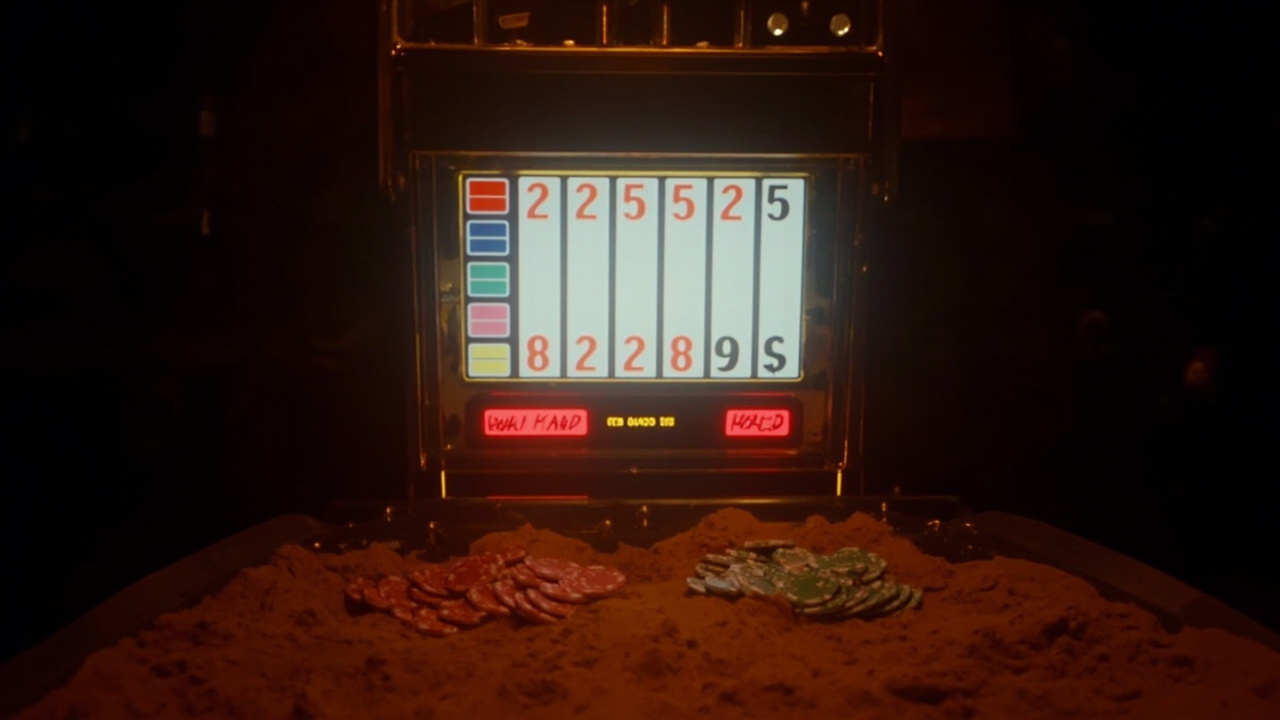
A dealer’s cadence sets the tempo, and rushing a decision usually costs more than the extra second you save. Keep your hand signals clean, tap the felt for a hit and wave off for stand, because cameras and floor staff read those motions faster than a muttered request. Don’t hand your chips to the dealer mid-decision; let the round finish and place your bet before the shuffle window closes. This is the same kind of pacing a slot mathematician uses when aligning spin timing with volatility curves: small, consistent inputs beat frantic adjustments. If you’re unsure about a rule at your table, ask before the first card drops rather than correcting the flow later. A calm seat at a regional New South Wales club often runs quieter than a packed metro venue, so use that quieter floor to settle your betting rhythm early.
Chips, Bets and Table Position
Your position around the felt changes how you play, and the spot behind the dealer’s left usually sees the most action from other players. Place your chips neatly inside the betting square, keep your stack tidy and avoid leaning across the layout once the cards are out. Splitting or doubling works best when you’ve already mapped your bankroll limits, because a scattered bet pattern makes the dealer and the pit read your intentions wrong. I’ve seen game-design layouts where confused bet placement turns a simple round into a stall, and the same thing happens on a busy table when players shove chips after the deal starts. Keep your colour changes to a single motion, call them out if the dealer needs to convert, and let the round breathe. A tidy table also helps the floor spot any genuine disputes quickly, which is exactly how you want a regional New South Wales room to handle a busy arvo session.
These unwritten rules help maintain a smooth pace and show respect to everyone at the table. For more insider advice on reading opponents and managing your chips, check out the guide at vegas hero. Mastering these small habits will sharpen your focus and keep the game flowing smoothly.
Table Talk, Pace and Other Players
A live table is a shared space, so the way you speak and move matters as much as your basic strategy. Skip the running commentary during a hand, because a quick aside can distract someone who’s counting or just trying to follow the dealer. If you need a minute, call for a pause politely rather than hovering over the layout while the shoe keeps turning. The same restraint shows up in how a slot mathematician balances art direction with mechanical clarity: too much noise on the floor drowns out the signals that actually matter. Keep your phone away from the felt, don’t coach other players’ hands and let the dealer run the round without second-guessing every shuffle. A room in regional New South Wales tends to run on a steadier social pace than a packed city floor, so match that rhythm and you’ll find the session far easier to manage.
Cashier Flow, Verification and Pickup
The cashier side of a table session deserves the same attention as your hand decisions, because deposits, withdrawals and verification all shape how smoothly you walk away. Know the currency you’re playing in, check the cashier limits before you sit down and keep your ID handy if the floor or the operator asks for a quick check. A slot mathematician would tell you that payment flow and session limits are part of the same design as the game itself: if the cashier stalls, the whole experience loses its shape. Matilda McKenzie, Senior Market Analyst, Ironbark Compliance Advisory, notes that “verification timing and cashier limits are the quiet mechanics that decide whether a session ends cleanly or drags into a dispute.” Treat your withdrawal request the same way you treat a double-down decision: clear, planned and within the limits you set at registration. If you’re comparing operators, finding better VIP casino value for Australian and New Zealand players often comes down to how the cashier actually behaves under a busy arvo, not how it looks on the promo page.

Glossary

- Basic strategy: the mathematically optimal play for each hand against the dealer’s up card. Finding Better VIP Casino Value for
- Pit: the area and staff overseeing a group of tables.
- Shoe: the device holding multiple decks for dealing.
- Double-down: doubling your original bet for one additional card.
- VIP program: a loyalty tier that usually ties bonus mechanics, cashback and withdrawal priority to play volume.
